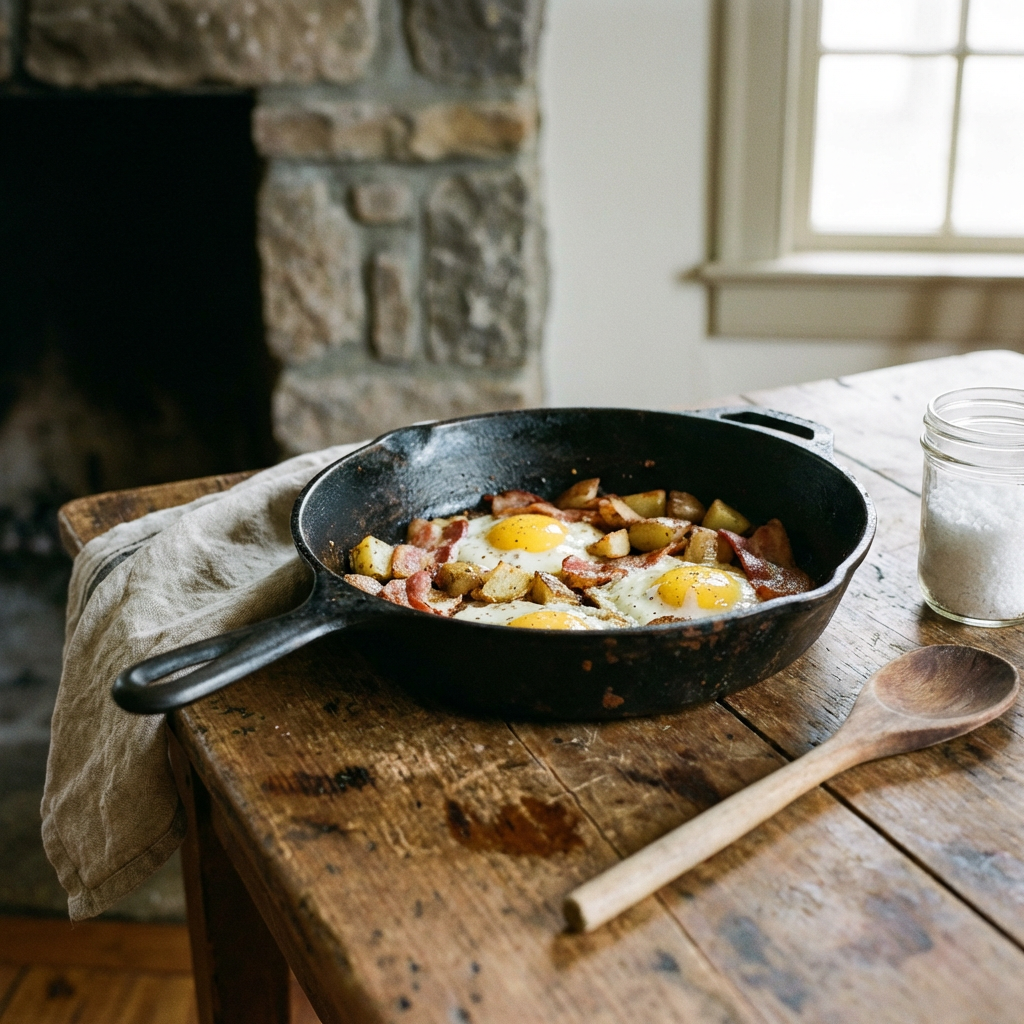
Cast iron cookware has been a kitchen staple for generations—and for good reason. A well-made cast iron skillet is durable, versatile, and capable of delivering incredible flavor and texture. Whether you’re searing steaks, baking cornbread, or frying eggs, your first cast iron skillet can quickly become the most reliable tool in your kitchen.
If you’re new to cast iron, this guide will help you choose the right skillet and learn how to care for it so it lasts a lifetime.
Why Choose Cast Iron?
Before diving into selection and care, it helps to understand why cast iron is so beloved.
Excellent heat retention: Once heated, cast iron holds temperature extremely well, making it perfect for searing and frying.
Versatility: A cast iron skillet works on stovetops, in ovens, on grills, and even over campfires.
Durability: With proper care, cast iron can last decades—or even generations.
Naturally non-stick (when seasoned): Over time, the seasoning layer develops a slick cooking surface.
Choosing Your First Cast Iron Skillet
Not all cast iron skillets are exactly the same. Here are the main factors to consider when buying your first one.
1. Size Matters
For most home cooks, a 10–12 inch skillet is the sweet spot.
- 10-inch: Great for small households or simple meals
- 12-inch: More versatile and ideal for families or batch cooking
If you’re cooking for one or two people, start with a 10-inch skillet. If you want room for larger meals, go with a 12-inch.
2. Weight and Handle Design
Cast iron is heavy by nature, but handle design can make a big difference.
Look for:
- A large helper handle on the opposite side for lifting
- A comfortable grip for safe movement from stove to oven
- A skillet that feels balanced when lifted
If it feels too heavy in the store, it will feel even heavier when full of food.

3. Pre-Seasoned vs. Bare Cast Iron
Most modern skillets come pre-seasoned, meaning the manufacturer has already baked oil onto the surface.
Advantages of pre-seasoned skillets:
- Ready to cook right away
- Faster development of a non-stick surface
- Easier for beginners
Bare cast iron requires you to season it yourself before first use, which can be a learning step some beginners prefer to skip.

Seasoning: The Secret to Great Cast Iron
Seasoning is the thin layer of polymerized oil baked onto the surface of cast iron. It protects the pan from rust and creates the non-stick cooking surface.
Every time you cook with oil or fat, your seasoning improves.
To maintain it:
- Cook with fats like oil, butter, or bacon grease
- Avoid prolonged cooking of highly acidic foods early on
- Keep the pan dry after washing
With regular use, your skillet will become darker and more non-stick.
How to Clean Your Cast Iron Skillet
One of the biggest myths about cast iron is that you should never use soap. In reality, a small amount of mild dish soap is perfectly fine.
Follow these steps:
- Let the skillet cool slightly after cooking.
- Rinse with warm water.
- Scrub gently with a brush or sponge – or a chainmail scrubber for hard to remove residue.
- Dry immediately with a towel.
- Place on low heat for a minute to evaporate any remaining moisture.
Finish by rubbing a thin layer of oil over the surface to protect the seasoning. Any neutral oil will do the job, grapeseed or canola oil are good options.

Preventing Rust
Rust happens when moisture sits on bare iron.
To prevent it:
- Always dry your skillet completely
- Store it in a dry place
- Apply a light coat of oil before storing
If rust appears, it’s not the end of the world—you can scrub it off and re-season the pan.
Cooking Tips for Beginners
Your first few meals in cast iron should be simple and forgiving.
Great starter foods include:
- Fried eggs
- Grilled cheese sandwiches
- Roasted vegetables
- Pancakes
- Steak or burgers
Preheat the skillet for a few minutes before adding food. Proper preheating helps prevent sticking.
A Pan That Gets Better With Time
One of the most rewarding things about cast iron is that it improves with age. The more you cook with it, the better the seasoning becomes.
Instead of wearing out, a cast iron skillet develops character—often becoming a treasured kitchen tool passed down through generations.
Choose a good skillet, cook with it often, care for it properly, and your first cast iron pan might just be the last one you ever need.
Final Tip: Don’t overthink it. Cast iron is tough, forgiving, and meant to be used. Cook boldly, clean it well, and enjoy the process.
Leave a Reply